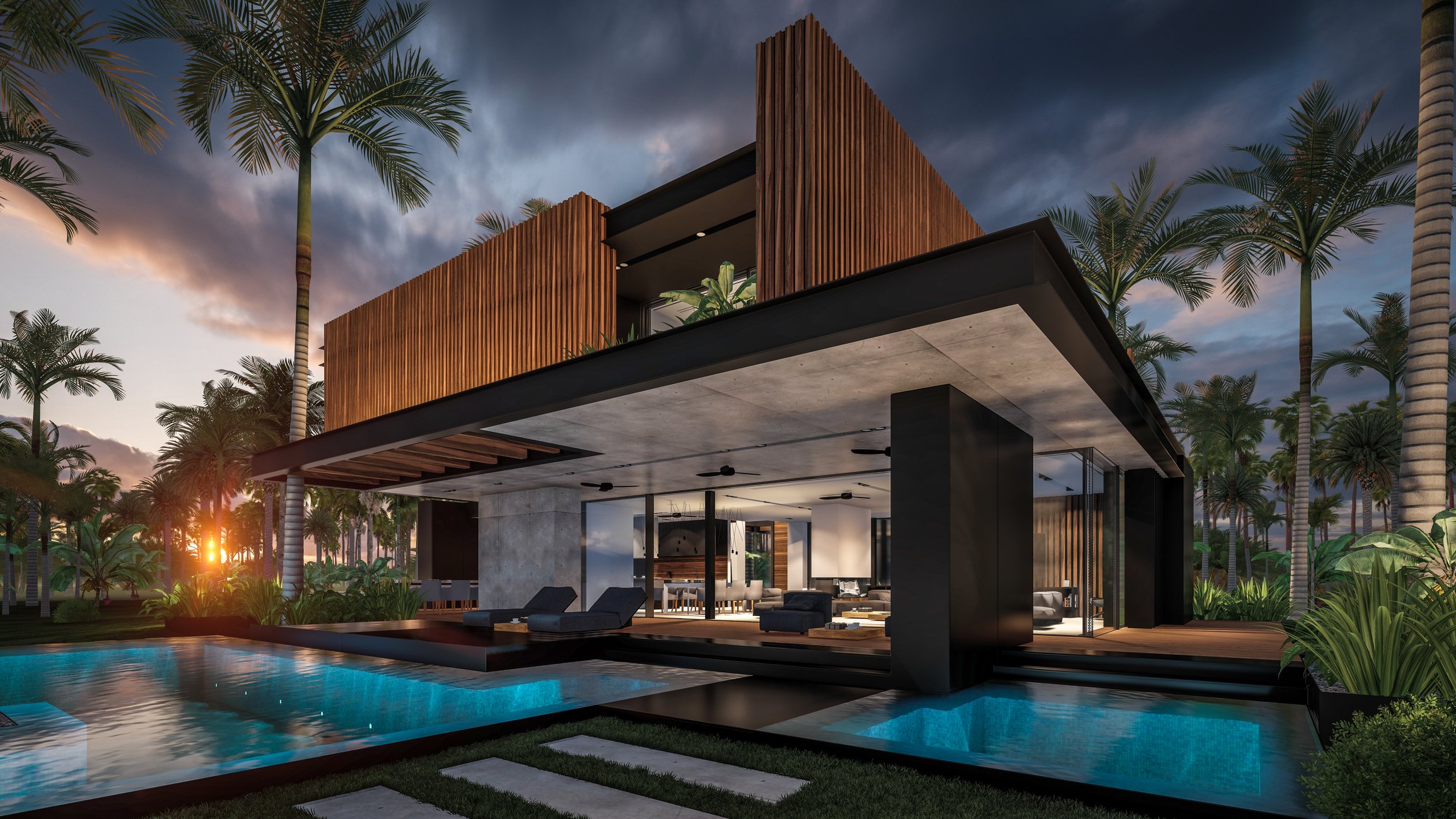
The concept of residential luxury is incorporating a dimension that a few years ago occupied a secondary place: well-being. High-end housing has evolved and is no longer defined solely by its elegance and exclusivity, but also by offering an environment designed for well-being, privacy, and a higher quality of life.
This evolution has led to the so-called real estate wellness, a trend that integrates architecture, design and technology to create healthier and more reparative homes.
The Global Wellness Institute identifies trends for 2026 such as architecture focused on psychological safety, neuroarchitecture, circadian lighting, healthy materials, and a greater connection with nature.
In practice, these ideas can be translated into homes through very specific solutions. Natural and adjustable lighting, for example, allows for different environments throughout the day. Natural materials, noise reduction, and a clear spatial layout can all contribute to creating a sense of calm.
Spaces specifically dedicated to well-being are also gaining prominence. Private gyms, spa-style bathrooms, saunas, meditation areas, swimming pools, and landscaped outdoor areas are part of a luxury concept that is much more related to everyday experience.
Nature also plays an important role. Large windows, gardens, terraces, interior courtyards or plant elements allow for a more direct connection with the environment. The goal is not simply to achieve a visually appealing home, but to create spaces that are pleasant to live in.
This trend is closely related to another market transformation: high-net-worth buyers pay more attention to what improves their daily lives. Luxury is no longer measured solely by size, price, or materials, but begins to be valued by the experience that property provides.
In this sense, the wellness design can also become a differentiating element for owners who want to maintain the attractiveness of their home in the long term.
For Buckingham Property Advisors, Understanding these new preferences is fundamental when identifying opportunities within the prime market. A property that combines architecture, privacy, nature, and well-being can better meet the expectations of current buyers.
The real estate wellness sector confirms that luxury housing is evolving towards a more human concept: less focused on showing off and more oriented towards living better.