Upgrading the electrical installation is one of the most important improvements you can make to a home. Although it often goes unnoticed compared to more visible renovations, its impact on safety, efficiency, and daily comfort is enormous. In Buckingham Property Advisors, we explain how to face this process step by step so that it is clear and without surprises.
The first thing is to assess the current state of the installation. Many older homes were designed for a much lower consumption than we have today. If the electrical panel is obsolete, the wires are made of old materials, or there are few outlets in each room, it is a sign that the installation needs to be modernized. Commissioning an inspection by a specialized technician makes it possible to determine whether a partial update is sufficient or if it is necessary to completely renovate the system.
Once the diagnosis is complete, the planning phase begins. This involves defining which circuits are needed, where to place outlets and light points, and what improvements to incorporate. Adding independent lines for high-power appliances, installing surge protection, and anticipating sufficient outlets in the kitchen and living room are key decisions to avoid problems in the future.
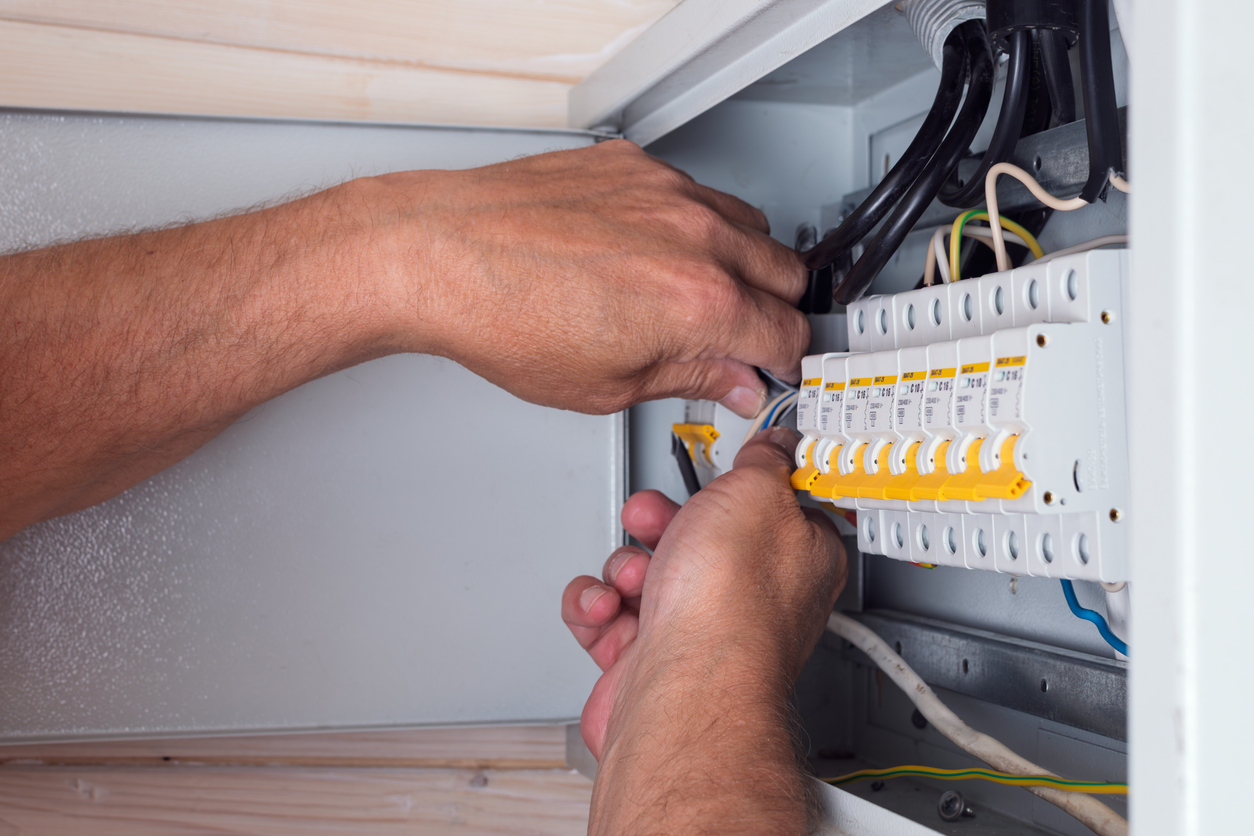
The next step consists of replacing the electrical panel with a modern one that complies with current regulations. This must include circuit breakers for each circuit, an appropriate residual current device, and protection to prevent damage in the event of power surges. The wiring will also be renewed, and chases will be cut when necessary, although in some renovations it is possible to use existing conduits.
During the installation, it is also advisable to check the lighting. Opting for LED systems and well-distributed light points improves efficiency and comfort. Furthermore, it is a good time to consider incorporating smart elements, such as connected switches or dimmers.
Finally, once the renovation is complete, it is essential to legalize the installation through the corresponding certificate. This ensures that the system complies with safety regulations and avoids problems in future inspections or transactions.
Upgrading the electrical installation not only improves home safety, but also brings comfort, efficiency, and an increase in the property's value. With proper planning and qualified professionals, the process is simpler than it seems and offers lasting results.